
Imagine what your mouth would feel like if you never brushed your teeth or went to the dentist. For many dogs and cats, this is a painful reality. According to the American Veterinary Dental Society, more than 80% of dogs and 70% of cats have dental disease by the age of 3. Dental (or periodontal) disease is the most frequently diagnosed health problem in pets.
Common signs of dental disease include:
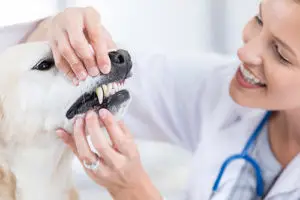
Even if your dog or cat doesn’t have these symptoms, we recommend that you have a veterinarian evaluate your pet’s dental health at least once a year. Bacteria and food debris accumulate around the teeth and, if left unchecked, will lead to deterioration of the soft tissue and bone surrounding the teeth. This decay can result in irreversible periodontal disease, tooth loss, and possibly expensive oral surgery.
Dental disease can also affect other organs in the body: Bacteria in the mouth can get into the bloodstream and cause serious infections in the kidneys, liver, lungs, and heart.
Schedule your pet’s dental exam today!
Professional veterinary dental care is essential for maintaining your dog or cat's overall health and longevity. Regular exams and cleanings prevent painful periodontal disease and ensure your pet lives a comfortable, pain-free life.
At Hawaiian Gardens Animal Hospital, our experienced team utilizes modern techniques and safe anesthesia protocols to perform thorough dental evaluations. We educate owners on preventative home care routines to keep those smiles bright between visits.
Anesthetic dental cleanings allow veterinarians to thoroughly inspect and clean beneath the gumline where most periodontal disease hides. General anesthesia ensures your pet remains completely still and pain-free during scaling and polishing procedures.
Modern veterinary anesthesia is extremely safe, involving rigorous monitoring of vital signs such as heart rate, blood oxygen, and respiration throughout the procedure. This comprehensive approach lets us safely address hidden tooth root abscesses and perform necessary extractions.
Establishing a consistent at-home dental hygiene routine significantly slows down plaque and tartar accumulation between professional veterinary cleanings. Daily brushing with pet-safe toothpaste is the gold standard for maintaining optimal oral hygiene.
If brushing is challenging, veterinary dentists recommend alternative products such as specialized dental chews, water additives, and prescription diets approved by the Veterinary Oral Health Council (VOHC). These tools help mechanically or chemically reduce plaque buildup in dogs and cats.